
 Image 1 of 2
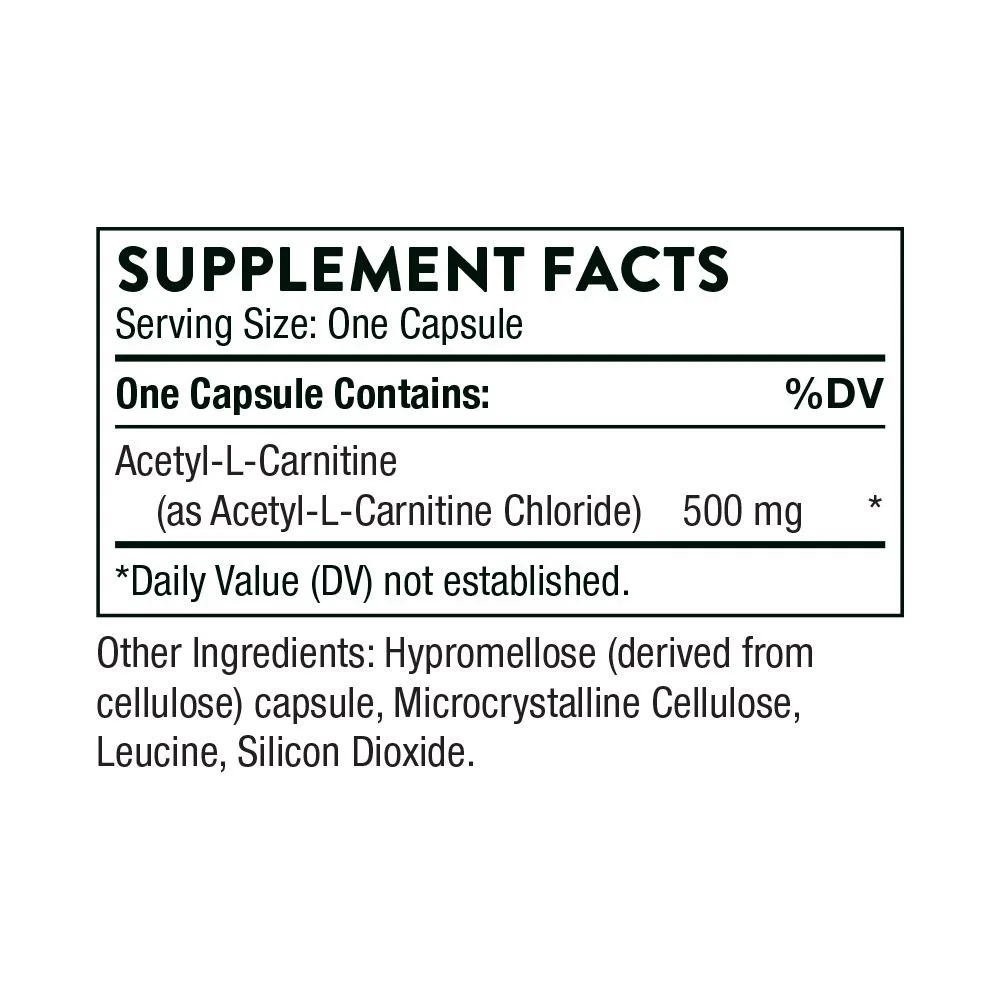 Image 2 of 2
L-Carnitine plays a key role in mitochondrial energy production. It helps shuttle fatty acids into mitochondria so they can be converted into usable cellular energy.
During cancer treatment, mitochondrial stress is common. Fatigue, reduced exercise tolerance, and nerve symptoms can all be linked to impaired energy production at the cellular level.
L-Carnitine is often included in supportive oncology care to assist:
Cellular energy production
Neuromuscular function
Fatigue management
Peripheral nerve support
Recovery following treatment
Where nerve tissue has been metabolically stressed, restoring energy availability can support functional stability and repair capacity. L-Carnitine provides one of the key substrates required for this process.
Best used within a broader metabolic and recovery-focused strategy.